
Request a Callback
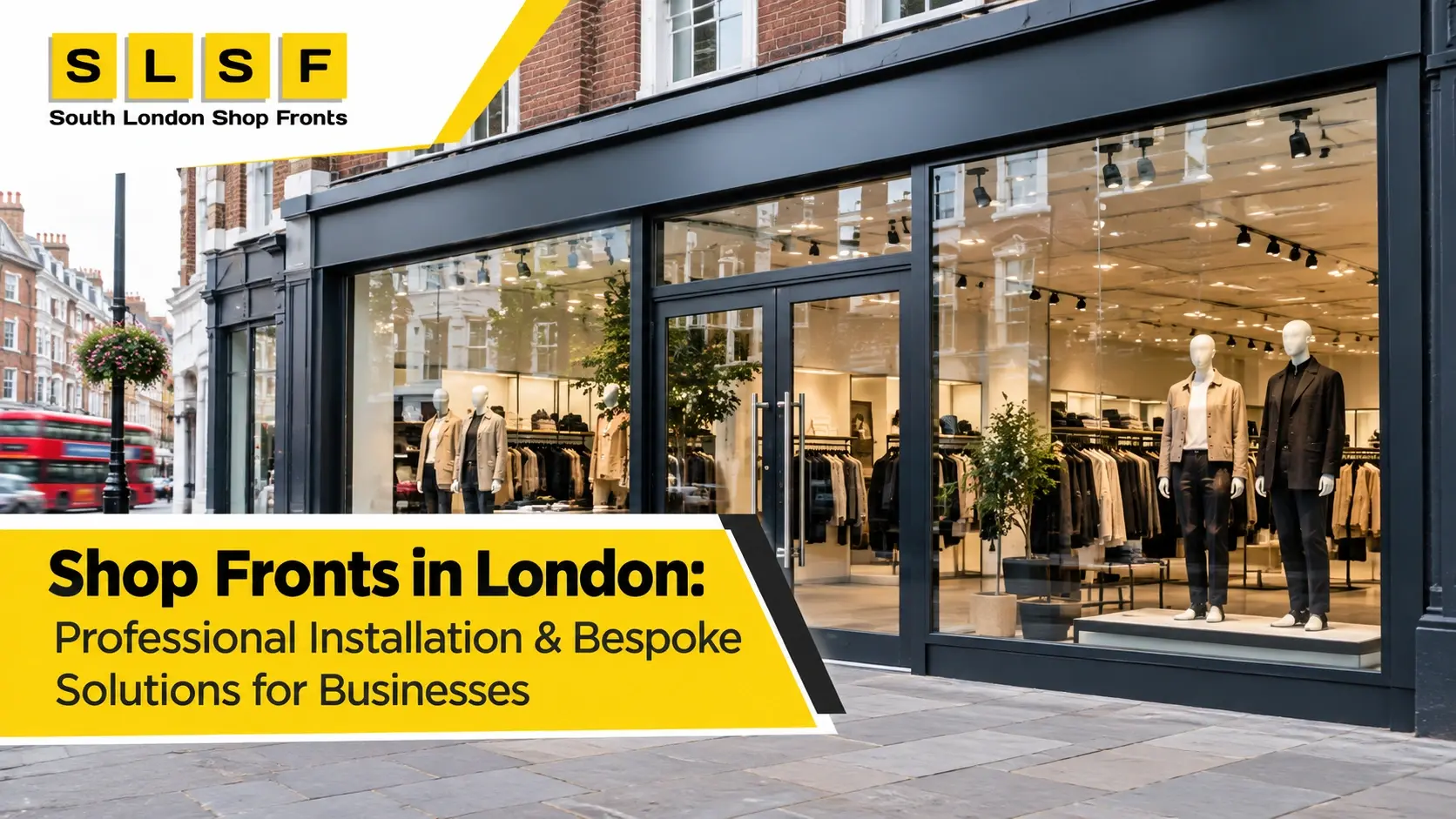
Shop Fronts in London: Professional Installation & Bespoke Solutions for Businesses
A commercial shop front is more than the entrance you see when you walk past a business. It is a part of the building’s exterior. It gives people access to the inside. It also offers space to display brand messages and products. In addition, it can improve security. When planning shop fronts in London, several factors need to be considered. These include the building layout, the materials used, the type of glazing, door styles, and local planning rules. All of these factors come into play.
For businesses that are looking for shop fronts London, picking the system is a serious decision. Different types of properties have different needs. Retail stores, restaurants, offices, salons, and showrooms each have their own way of operating. That means they might need different kinds of shop front designs. For example, glass shop fronts offer views and let in more natural light. For businesses that need more privacy or better security, a framed or solid-fronted system might be the better choice.
Why Shop Front Fitting Needs to Be Done Properly?
Choosing a design is only one part of the job. The real difference is made during shop front fitting. Even the best looking design will cause problems later if it is not fitted correctly. Poor fitting can lead to:
- Draughts and water leaks around the frame
- Doors that stick or do not close properly
- points that make break-ins easier
- Higher heating and cooling bills
Because of this, shop front fitting is a job that should be left to people who understand building structures, glazing standards, and local regulations. A good installer will measure the space carefully, check the surrounding structure, and make sure the finished front sits secure.
Choosing The Right Material For Shop Fronts In London
The choice of material used in a shop front has a significant impact on how it looks, its durability, how easy it is to maintain, and how well it performs. The selection of a particular material for making the shop front completely depends on the type of business, the type of building, and its purpose.
Glass shop fronts are often preferred for shop fronts for commercial buildings since they provide a glass view of the inside while being neat and stylish. They can be the best choice for businesses like retail shops, cafes, bars, salons, real estate agencies, showrooms, etc.
When looking at materials, businesses should think about:
Appearance: The front of the shop should match the building and the way the business wants to look.
Durability: The materials need to handle use and the weather around them.
Security: The design should offer the level of safety for the place.
Maintenance: Materials that are simple to clean and last a long time can make keeping things looking good easier.
Light: Glass can help bring more sunlight into the space where people work.
Practicality: Doors, entrances, display areas, and other parts should fit well with how the business runs every day.
Why Glass Shop Fronts Are a Popular Choice?
They give a building a clean and modern look. The large glass areas make the inside of the store visible from the street. This helps draw in customers who are walking by the street. People can see the products, displays, and even the layout of the shop. That kind of visibility is powerful for businesses that rely on foot traffic.
Glass can be paired with material like aluminium frames, doors and signs. This allows for styles and designs. A business can choose a look that matches its brand. It’s important not to pick glass just for how it looks. The glass must work well for its purpose. It needs to fit the location and meet safety standards.
Before installing a glass shop front, it’s smart to think about the glass type. The thickness matters too. A thicker glass is stronger and more secure. The framing system also plays a role. It holds everything together, affects the look and function. The door setup, like how it opens and whether it has features, should match how the business operates. Security is another point. Some glass types offer protection against break-ins. A business should talk through all these details with a professional before making a decision.
Bespoke Shop Fronts for Different Business Requirements
No two commercial properties have exactly the same layout. Which means a standard shop front may not always provide the right fit. A narrow shop unit, a showroom, and a corner retail property can all need very different frontage designs. That is why custom shop fronts are useful when planning shop fronts in London. A custom shop front can be built around the size and features of the property instead of forcing a standard system into an unsuitable space. It can also consider the business’s brand and practical needs. Depending on the property, a custom shop front may include:
- Aluminium or other framing systems
- Single or double entrance doors
- Integrated signage areas
- Display windows
- Security features
- Custom colours and finishes
- Accessible entrance arrangements
This approach lets businesses create shop fronts that London customers can easily recognise while still using the available space wisely.
Final Thoughts: A designed shop front must balance how it looks, how safe it is, how long it lasts and how it works every day. From picking the materials to taking accurate measurements and installing correctly, every step can change how the finished shop front looks and works.
For businesses thinking about shop fronts in London, a custom design can be very helpful because every building has its own size and needs. Whether you pick glass shop fronts, a framed system or another material, the main goal is to create a shop front that fits the building and the business.
Professional shop front fitting can make this process easier by making sure that the chosen shop front is installed correctly and works as it should.
FAQs:
1. What Should I Consider When Choosing Shop Fronts London?
Consider the building’s design, business type, frontage size, security, accessibility, glazing, maintenance, and overall budget before choosing a shop front.
2. Are Glass Shop Fronts Suitable For Small Shops?
Yes. Glass shop fronts can make smaller premises feel more open and allow products, displays, and interiors to be visible from outside. They can also maximise the amount of natural light entering the space.
3. How Much Does Shop Front Fitting Cost In London?
The cost of shop front fitting depends on factors such as the size of the frontage, materials, glazing, doors, design complexity, and any removal or preparation work required. A site assessment is usually needed for an accurate quote.
4. Can I Customise A Glass Shop Front To Match My Business Requirements?
Yes. A glass shop front can be designed with different frame finishes, door styles, glazing layouts, colours, and signage options to complement your business and property.
5. How Long Does It Take To Install a New Shop Front?
Installation time can vary depending on the size and complexity of the project. A straightforward replacement may take less time than a fully bespoke frontage requiring structural preparation or additional features.